01Processing state
DNA Solution
Synthesized DNA strands are pooled in solution for pre-storage quality control. After archival storage, dry material is rehydrated or extracted into solution for sequencing.
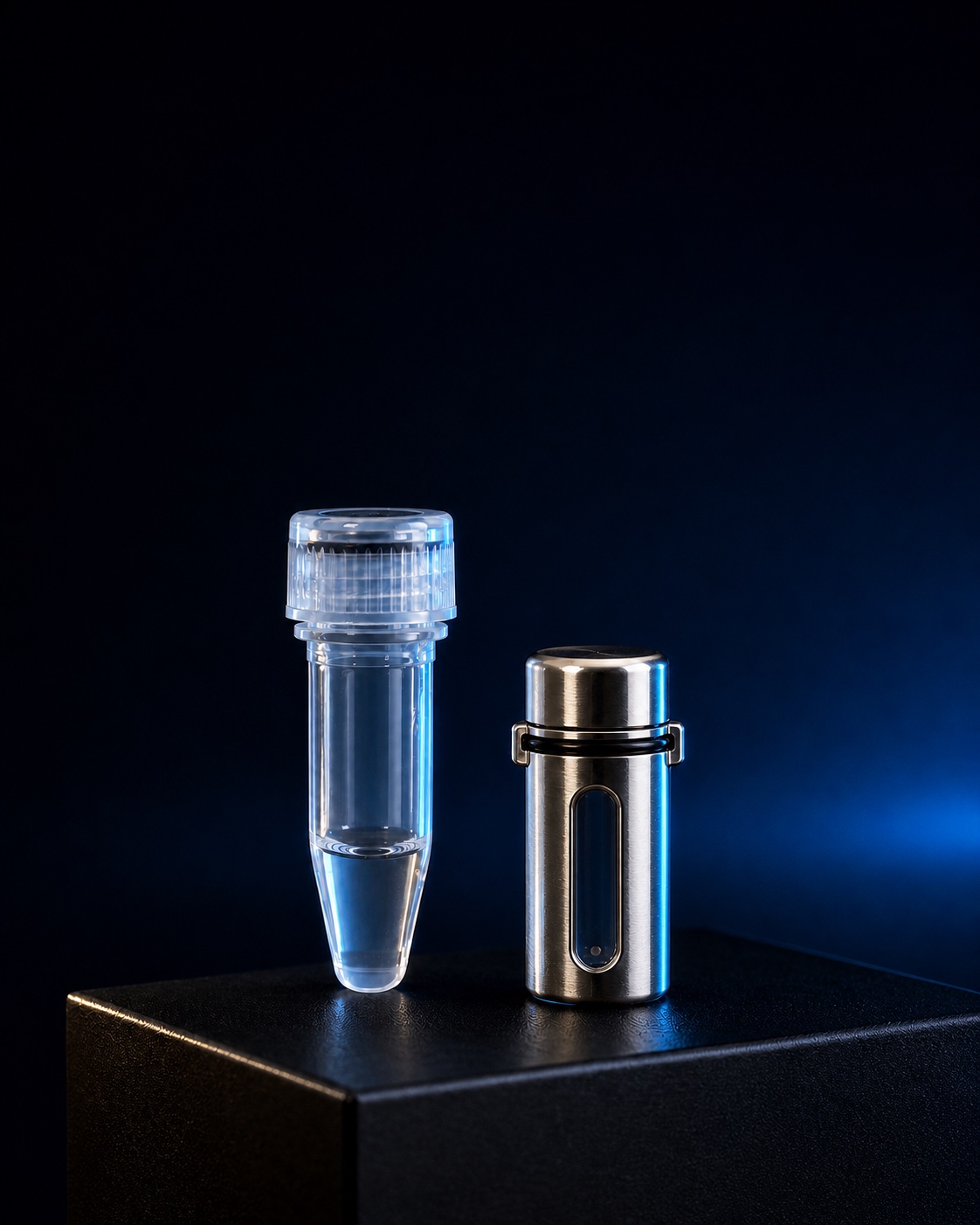
DNA solution → dry powder → recovered files
Selected files become synthetic DNA in solution, then a trace dry archive sample: dried DNA material or DNA-bearing silica particles, hermetically sealed. For recovery, the sample is rehydrated or extracted, sequenced, decoded, and verified against the originals.
DNA solution is temporary. Millennial-timescale preservation depends on dried DNA sealed from water, oxygen, and light.
Millennial-timescale preservation potential
Under sealed, anhydrous, anoxic, and dark conditions, accelerated-aging research supports the potential for synthetic DNA preservation on millennial timescales.
Millennial timescales are model-based potential, not an unconditional lifespan guarantee. Retention depends on containment, temperature, and encoding redundancy; recoverability must be tested through read-back.
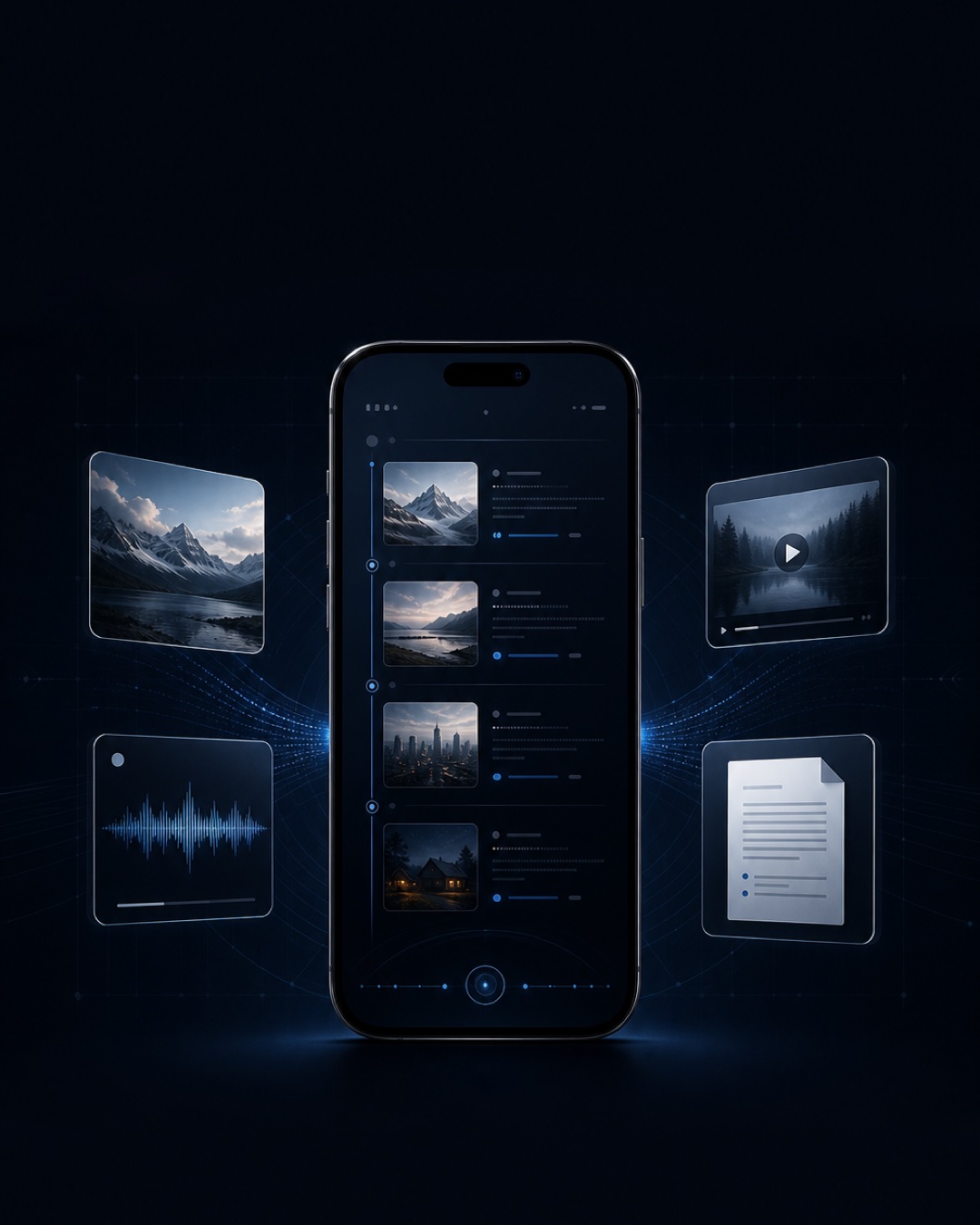
The physical medium
The same synthetic DNA moves through two physical states: liquid while it is processed or read, and dried while it is sealed for archival preservation.
Synthesized DNA strands are pooled in solution for pre-storage quality control. After archival storage, dry material is rehydrated or extracted into solution for sequencing.
The DNA becomes a trace dried or lyophilized sample, or is carried inside silica particles, then hermetically sealed from water, oxygen, and light.
The sample is extracted or rehydrated, sequenced, error-corrected, decoded, and checked against the approved file manifest.
The complete storage cycle
DNA synthesis, drying and sealing, and read-back are separately scoped stages. Read-back verification is complete only after recovered files match the approved source files.
Approve the files and record checksums, permissions, and a recovery manifest.
Add redundancy and error correction, then convert the bits into A, C, G, and T sequences.
Produce the DNA strands, place the verified molecular pool in solution, and validate it before preservation.
Create a trace amount of dry DNA powder or protected particles, then seal the archive.
Open the archive under a controlled workflow and prepare the DNA for sequencing.
Decode the reads, correct errors, restore the files, and verify their checksums.
Downstream applications
Personal AI, AI avatars, and robots use the authorized digital archive—not the sealed DNA sample. The dried DNA remains an offline archival copy.
01Private Client PilotA personal AI built from authorized files and reviewed for knowledge, voice, values, permissions, and response boundaries.
 02Private Client Pilot
An interactive AI avatar that uses an authorized personal AI, voice, and visual likeness.
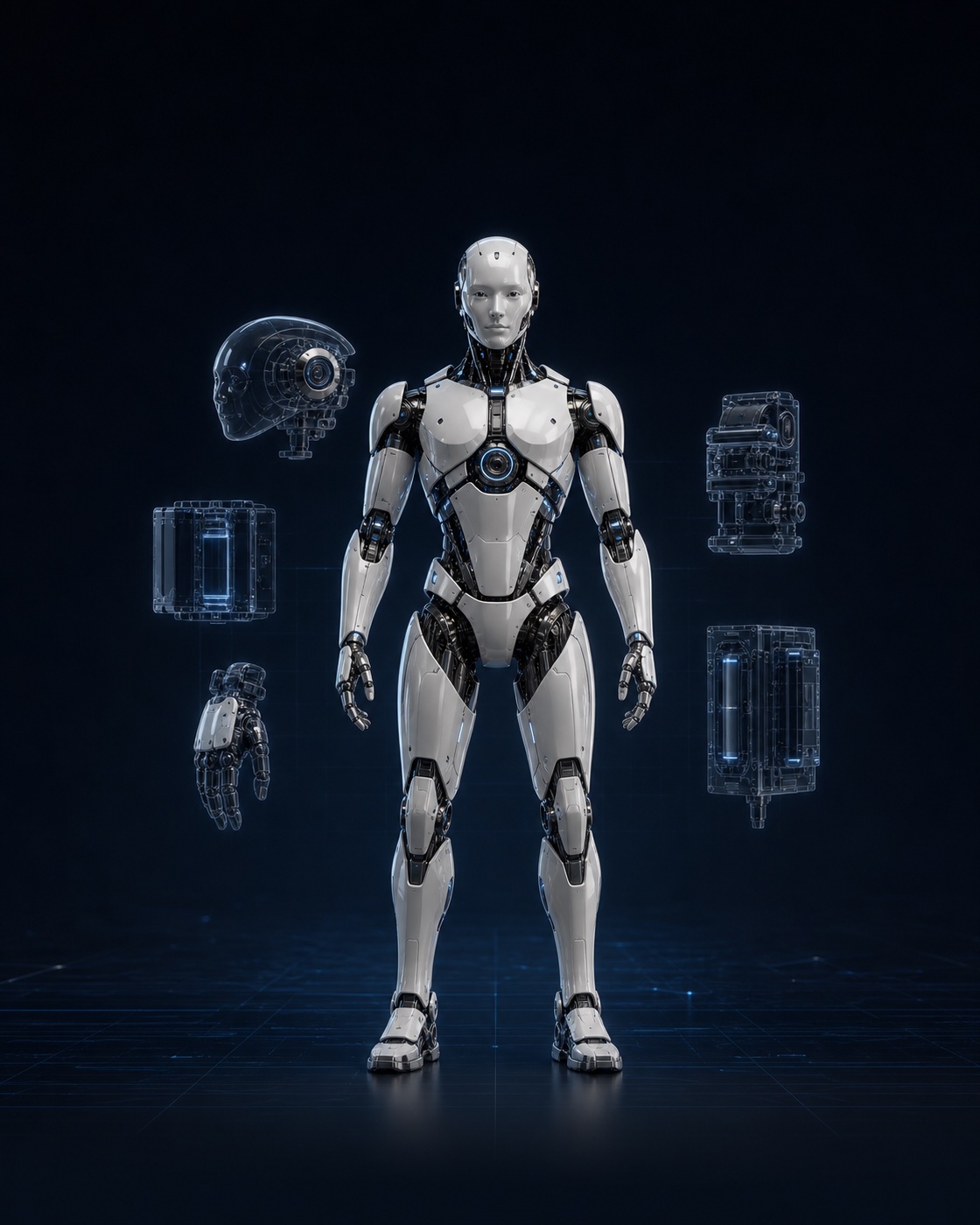 03Prototype / Custom Development
A humanoid robot prototype connected to an authenticated personal AI. Capabilities depend on the selected hardware and verified testing.
 04Research Program / Future Concept
Research into humanoid and mobile robots for extreme environments and future space operations—not a validated flight or space product.
Storage conditions and claim boundaries
DNA solution is used during processing and read-back, not as the millennial storage claim.
The archival state protects dry DNA powder or encapsulated particles from water, oxygen, light, and contamination.
Projects may use hermetically sealed dried DNA or DNA protected inside a silica-based matrix.
The sample is extracted or rehydrated before sequencing; silica encapsulation requires a separate extraction step.
Recovered files must match the checksums recorded in the approved source manifest.
Millennial-timescale claims come from accelerated aging and depend on real storage conditions.
Synthetic DNA powder archive pilot
Each Private Client Pilot defines the file set, permissions, DNA synthesis, drying and sealing method, storage conditions, and read-back requirements individually.
Request a DNA project review For initial contact, describe the file types and project purpose without emailing the files themselves. Do not send private archives, genetic records, passwords, or private keys through ordinary email.